Understanding the Importance of Sunscreen in Daily Skincare
Sunscreen is vital for daily skincare, offering protection against harmful UV rays, preventing premature aging and reducing skin cancer risk.
The Basics of Sunscreen
Sunscreen is an essential component of any daily skincare routine, serving as a protective barrier against the sun's harmful ultraviolet (UV) rays. These rays are classified into UVA and UVB, both of which contribute to skin damage, aging, and the risk of skin cancer. UVA rays are known for penetrating deeper into the skin, causing premature aging and wrinkles, while UVB rays are primarily responsible for sunburn. By using sunscreen, you can effectively shield your skin from these damaging effects. It's crucial to understand that even on cloudy days, up to 80% of UV rays can reach your skin, making daily application a must, regardless of the weather.
Types of Sunscreen
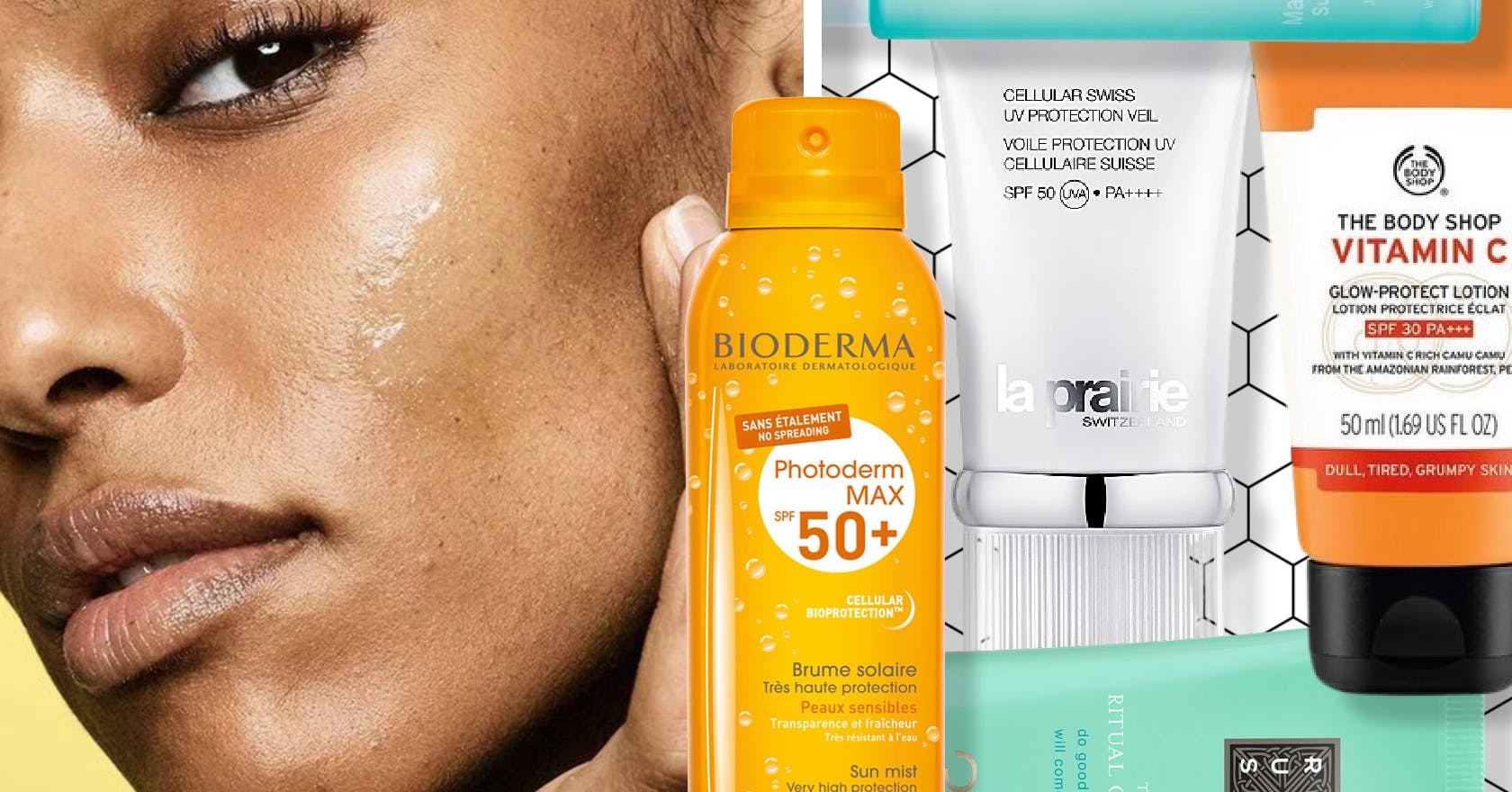
Sunscreens are broadly categorized into chemical and physical (or mineral) formulas. Chemical sunscreens absorb UV radiation and convert it into heat, which is then released from the skin. Common ingredients include avobenzone and oxybenzone. On the other hand, physical sunscreens contain minerals like zinc oxide or titanium dioxide, which reflect UV rays away from the skin. Each type has its pros and cons; chemical sunscreens tend to be more lightweight and easier to apply, while physical sunscreens are often recommended for sensitive skin due to their less irritating nature. Choosing the right type depends on your skin type and personal preference.
Choosing the Right SPF
The Sun Protection Factor (SPF) is a critical element in selecting the right sunscreen. SPF indicates the level of protection against UVB rays, with higher numbers offering greater defense. For daily use, dermatologists typically recommend a sunscreen with an SPF of at least 30, which blocks about 97% of UVB rays. It's a common misconception that higher SPF values offer exponentially greater protection. In reality, SPF 50 blocks approximately 98% of UVB rays, and SPF 100 blocks about 99%. While no sunscreen can block 100% of UV rays, using a broad-spectrum sunscreen ensures protection against both UVA and UVB rays.
Application and Reapplication
Proper application is key to maximizing the effectiveness of sunscreen. Experts recommend applying sunscreen generously to all exposed skin areas at least 15 minutes before sun exposure. The average adult needs about one ounce, or a shot glass full, to cover their body adequately. Reapplication is just as important, especially after swimming, sweating, or toweling off. Ideally, sunscreen should be reapplied every two hours when outdoors. Consistent reapplication ensures continued protection and prevents the accumulation of sun damage over time.
Integrating Sunscreen Into Your Routine
Incorporating sunscreen into your daily skincare routine doesn't have to be complicated. Many modern sunscreens are formulated to be lightweight and non-greasy, making them suitable for everyday use under makeup or alone. Consider using a moisturizer or foundation with built-in SPF for added convenience. However, it's essential to ensure that these products offer broad-spectrum protection and an adequate SPF level. For those who prefer separate products, apply sunscreen after moisturizer but before makeup. This layering ensures that the skin is protected without compromising the effectiveness of your other skincare products.
Addressing Common Myths
There are numerous myths surrounding sunscreen that can lead to misconceptions and improper use. One prevalent myth is that people with darker skin tones don't need sunscreen. While melanin does offer some protection against UV rays, it is not sufficient to prevent sun damage or reduce the risk of skin cancer. Another common myth is that sunscreen causes vitamin D deficiency. While sunscreen can reduce vitamin D production, most people still get enough through diet and incidental sun exposure. Educating yourself about these myths ensures you can make informed decisions about your sun protection habits.
The Long-term Benefits of Sunscreen
The long-term benefits of regular sunscreen use are significant. By consistently protecting your skin from UV damage, you can prevent premature aging, such as fine lines and wrinkles, and maintain a more youthful appearance. More importantly, sunscreen reduces the risk of developing skin cancer, the most common type of cancer globally. By making sunscreen a non-negotiable part of your skincare routine, you are investing in the long-term health and appearance of your skin. This simple yet powerful habit can make a profound difference in your skin's resilience against the harmful effects of sun exposure.