The Ultimate Backpacking Checklist for Beginners
Embark on your first backpacking adventure with confidence using our comprehensive checklist tailored for beginners.
Planning and Research
Embarking on your first backpacking adventure can be both exciting and daunting. The key to a successful trip lies in thorough planning and research. Begin by choosing a destination that matches your skill level and interests. Consider factors like terrain, weather conditions, and local culture. Use online resources, guidebooks, and travel forums to gather information about the best trails and must-see spots. Planning also involves understanding the regulations and permits required for your chosen location. Being informed about the local customs and language can enhance your experience and help you connect with the community. Don't forget to create a flexible itinerary that allows for spontaneity and unexpected detours. By dedicating time to research, you ensure a smoother journey and maximize your enjoyment of the adventure.
Essential Gear
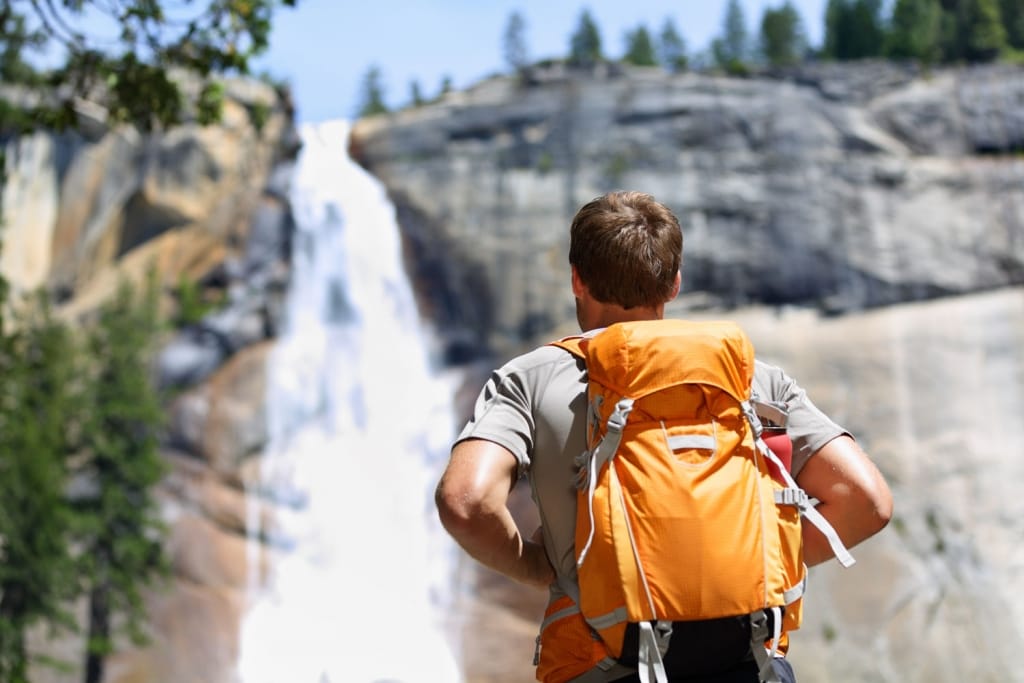
Packing the right gear is crucial for any backpacking trip, especially for beginners. Start with a sturdy and comfortable backpack that suits your body type and the length of your trip. Ensure it has adequate compartments for organization. Invest in a reliable tent, sleeping bag, and sleeping pad to ensure restful nights. Clothing should be layered and adaptable to changing weather conditions; think moisture-wicking materials and thermal layers. A portable stove, lightweight cooking gear, and sufficient food supplies are essential for nourishment on the trail. Don't overlook the importance of a first aid kit, multi-tool, and navigation aids like a map and compass. Each item you pack should be lightweight yet functional, balancing comfort with practicality to avoid overburdening yourself.
Safety First
Safety should be a top priority on any backpacking trip. Familiarize yourself with basic first aid and wilderness survival skills. Understanding how to treat minor injuries, purify water, and signal for help can be lifesaving. Always inform someone about your itinerary and expected return date. It's wise to carry a personal locator beacon or satellite phone for emergencies. Pay attention to weather forecasts and be prepared to adjust your plans if conditions become hazardous. Learn about the local wildlife and how to safely store food to avoid unwanted encounters. Trust your instincts; if a situation feels unsafe, it's better to turn back than to risk injury. By prioritizing safety, you ensure not only your well-being but also the enjoyment of your adventure.
Nutrition and Hydration
Proper nutrition and hydration are vital for maintaining energy levels during your backpacking trip. Plan meals that are high in calories and nutrients, focusing on lightweight, non-perishable options like dried fruits, nuts, and jerky. Instant oatmeal and pasta are excellent choices for quick, hot meals. Always carry more food than you think you'll need to account for emergencies or delays. Hydration is equally important; invest in a reliable water filtration system to ensure access to clean drinking water. Monitor your water intake and adjust based on activity level and climate. Dehydration can occur quickly, especially in hot or high-altitude environments, so make drinking water a regular part of your routine. By carefully planning your meals and water strategy, you'll maintain the stamina needed for a successful backpacking journey.
Leave No Trace
As a beginner backpacker, adopting the Leave No Trace principles is essential for preserving the natural beauty of the wilderness. This philosophy encourages travelers to minimize their impact on the environment. Pack out all trash, including food scraps and biodegradable waste, to keep trails pristine. Stick to established paths and campsites to avoid disturbing wildlife and vegetation. Be mindful of campfire practices; use a portable stove instead of open fires where possible. If fires are permitted, ensure they're completely extinguished before leaving. Respect wildlife by observing from a distance and never feeding animals. By adhering to these principles, you contribute to the sustainability of natural areas, ensuring they remain unspoiled for future generations of backpackers. Embracing this ethic enriches your experience and fosters a deeper connection with the natural world.