The Psychology of Shopping: Understanding Consumer Behavior
Explore the intriguing factors that influence consumer decisions, from emotions to social influences, and how they shape shopping habits.
The Intricacies of Consumer Decision-Making
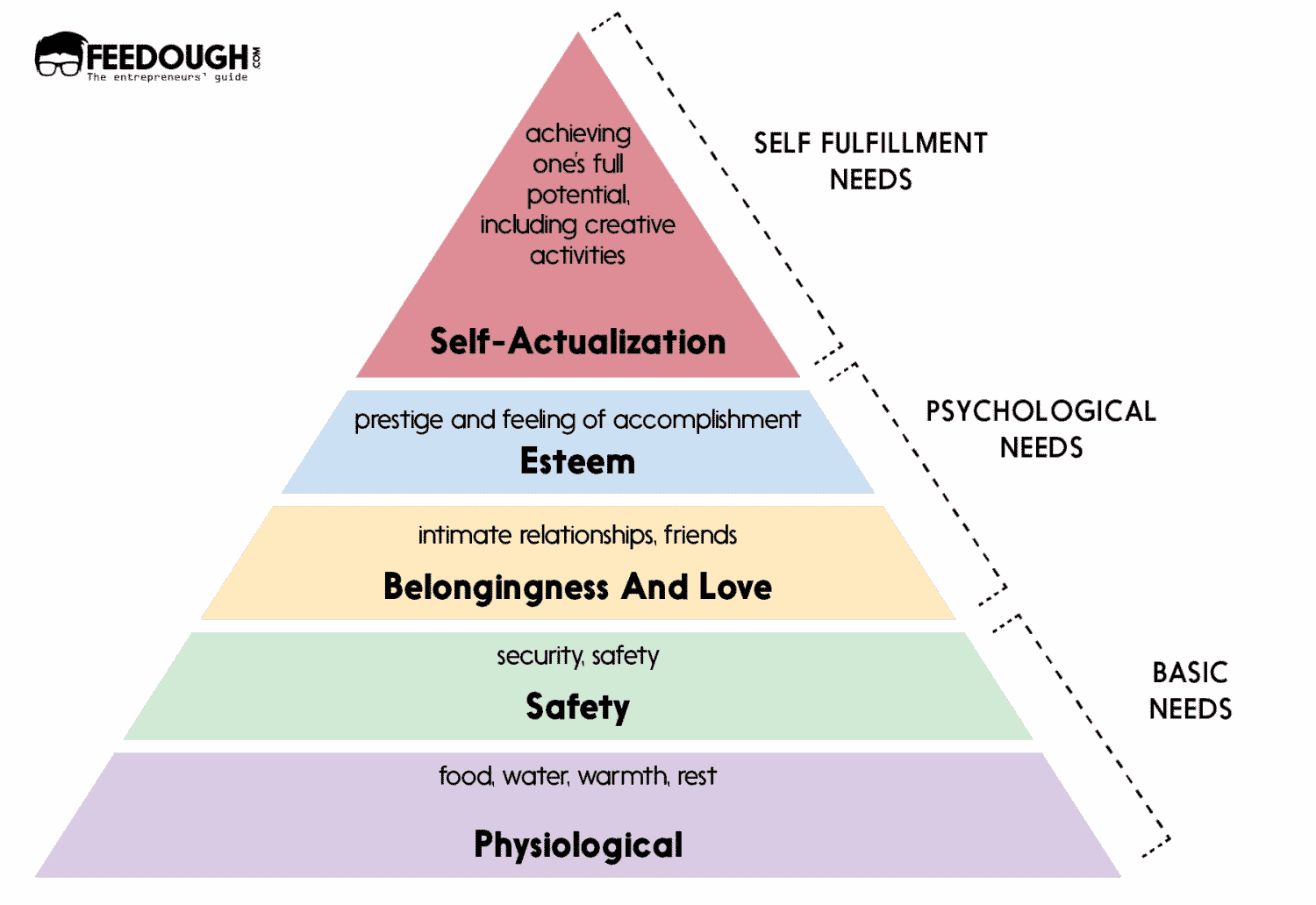
Understanding the psychology behind shopping involves delving into the complex processes that drive consumer decision-making. At the heart of this process is the blend of emotional and rational factors that influence why people buy what they do. Consumers often oscillate between logical reasoning and emotional impulses, with each purchase potentially serving different psychological needs. For example, a luxury item may fulfill a desire for status or self-esteem, while a practical purchase might be driven by utility or necessity. Moreover, the context in which a decision is made—such as time pressure, social influences, and personal mood—can significantly alter the outcome. Recognizing these elements can help marketers tailor their strategies to meet the nuanced demands of their audience, ensuring that their products and messages resonate on a deeper level.
The Role of Perception and Branding
In the realm of consumer behavior, perception plays a pivotal role in shaping how products and brands are viewed. Perception is not just about the visual appeal but encompasses the entire experience a consumer has with a brand. This includes the sensory experiences, such as packaging and store ambiance, as well as the psychological associations attached to a brand. Companies invest heavily in branding to create an identity that resonates with their target audience, often using symbols, slogans, and narratives to evoke specific emotions. For instance, a brand might position itself as environmentally friendly to appeal to consumers who prioritize sustainability. Understanding how consumers perceive a brand can help businesses design marketing strategies that align with consumer expectations and foster brand loyalty.
Emotional Triggers and Impulse Buying
The phenomenon of impulse buying is a testament to the power of emotional triggers in shopping behavior. Impulse purchases often occur when consumers are swayed by immediate emotions rather than rational decision-making. Retailers capitalize on this by strategically placing items in high-traffic areas or using promotional tactics to evoke feelings of urgency or excitement. Emotional triggers such as fear of missing out (FOMO), the allure of a good deal, or the anticipation of a reward can prompt consumers to make spontaneous purchases. Understanding these triggers allows marketers to craft environments and messages that encourage impulse buying, tapping into the consumer's immediate emotional state rather than their long-term needs or plans.
The Influence of Social Proof
Social proof is a powerful psychological concept that significantly impacts consumer behavior. It refers to the tendency of individuals to look to others when making decisions, especially in uncertain situations. This can manifest in various ways, such as customer reviews, testimonials, and social media endorsements. When consumers see that a product is popular or endorsed by others, they are more likely to trust and purchase it. This is why businesses actively encourage customers to leave reviews and share their experiences online. By leveraging social proof, companies can enhance their credibility and influence potential buyers by creating a sense of community and shared experience around their products.
The Impact of Personalization and Customer Experience
Personalization has become a cornerstone of modern marketing, reflecting the growing importance of tailored customer experiences. Today's consumers expect brands to understand their preferences and provide customized recommendations. This expectation is driven by the desire for relevance and convenience, which are key factors in enhancing customer satisfaction. Businesses utilize data analytics and technology to gather insights into consumer behavior, allowing them to deliver personalized content, offers, and experiences. This not only helps in building stronger customer relationships but also increases the likelihood of conversion and repeat purchases. By focusing on personalization, companies can create a more engaging and fulfilling shopping experience that aligns with individual consumer needs.