The Power of Color: Choosing the Right Palette for You
Discover how the right color palette can transform your wardrobe and boost your confidence in any setting.
The Psychology Behind Color Choices
Color is a powerful tool in fashion, often conveying emotions and setting the tone of an outfit. Each hue can evoke specific feelings or associations, making it crucial to choose colors that resonate with your personal style and mood. For instance, red is often associated with energy and passion, while blue can instill a sense of calm and trust. Understanding the psychological impact of colors can guide you in selecting a palette that not only complements your skin tone but also aligns with the message you wish to convey through your attire. Whether you aim to project confidence in a professional setting or exude warmth and friendliness in casual gatherings, the colors you wear play a significant role in shaping perceptions.
Building a Personal Color Palette
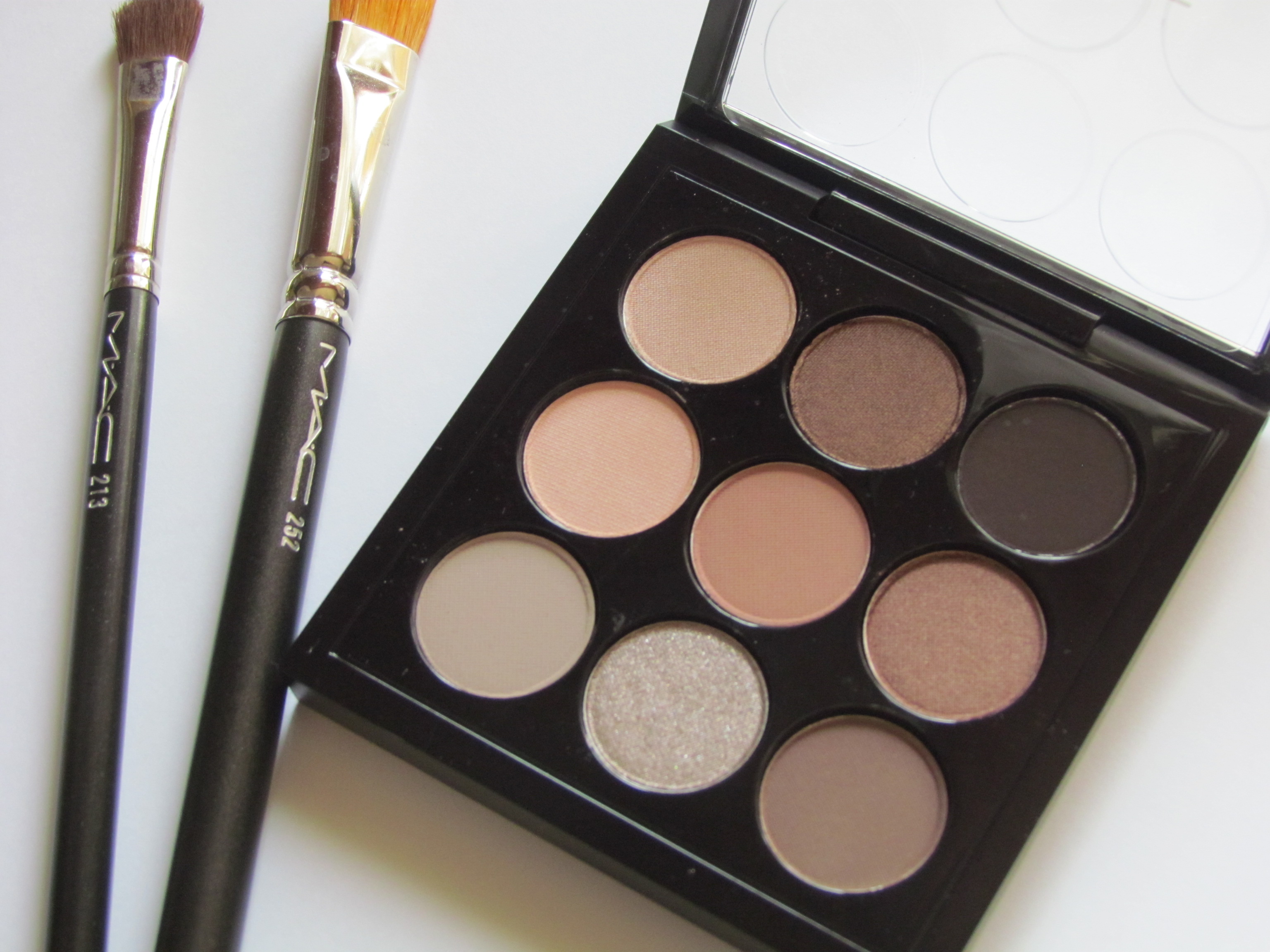
Creating a personal color palette involves more than just picking your favorite colors. It requires a thoughtful consideration of how different shades interact with each other and how they enhance your natural features. Start by identifying your undertone, which can be warm, cool, or neutral, as this will help you determine which colors will look most flattering on you. From there, experiment with various shades to see which combinations create a harmonious look. It's helpful to incorporate a mix of neutrals, which can serve as a foundation for your wardrobe, and accent colors that add interest and variety. This personalized palette can streamline your shopping experience and ensure that every piece in your wardrobe works together seamlessly.
Seasonal Color Analysis
Seasonal color analysis is a method that categorizes individuals into one of four seasonal types: Spring, Summer, Autumn, and Winter. Each season has a distinct palette that aligns with certain skin tones, hair colors, and eye colors. For example, Spring types typically have warm undertones and suit bright, clear colors, while Winter types, with cool undertones, look striking in bold, icy shades. By identifying your seasonal type, you can gain insight into which colors will naturally enhance your appearance. This approach not only simplifies your shopping decisions but also boosts your confidence, knowing that the colors you choose are truly complementary.
The Impact of Trends on Color Choices
Fashion trends often dictate the colors that dominate the market each season. While it's tempting to follow these trends, it's important to consider how they align with your personal color palette. Not every trending color will suit every individual, so it's crucial to be discerning about which trends to embrace. Incorporate trendy colors as accessories or accent pieces to keep your wardrobe updated without compromising your personal style. This way, you can enjoy the freshness of new trends while maintaining a cohesive and flattering color scheme. Remember, fashion is about expressing your unique identity, and staying true to your color preferences is key to achieving a look that feels authentic.
Experimenting and Evolving Your Palette
Your color preferences and style may evolve over time, influenced by changes in lifestyle, environment, or personal taste. Embrace this evolution by continuously experimenting with new colors and combinations. Don't be afraid to step outside your comfort zone and try hues you haven't considered before. You might discover unexpected favorites that add a new dimension to your wardrobe. Keep in mind that fashion is a form of self-expression, and your color palette should reflect your current self. Regularly revisiting and refreshing your palette ensures that it remains relevant and exciting, allowing you to express your individuality with confidence and flair.