The Growing Trend of Plant-Based Diets
Plant-based diets are gaining popularity as more people seek health benefits, sustainability, and ethical eating habits.
The Rise of Plant-Based Eating
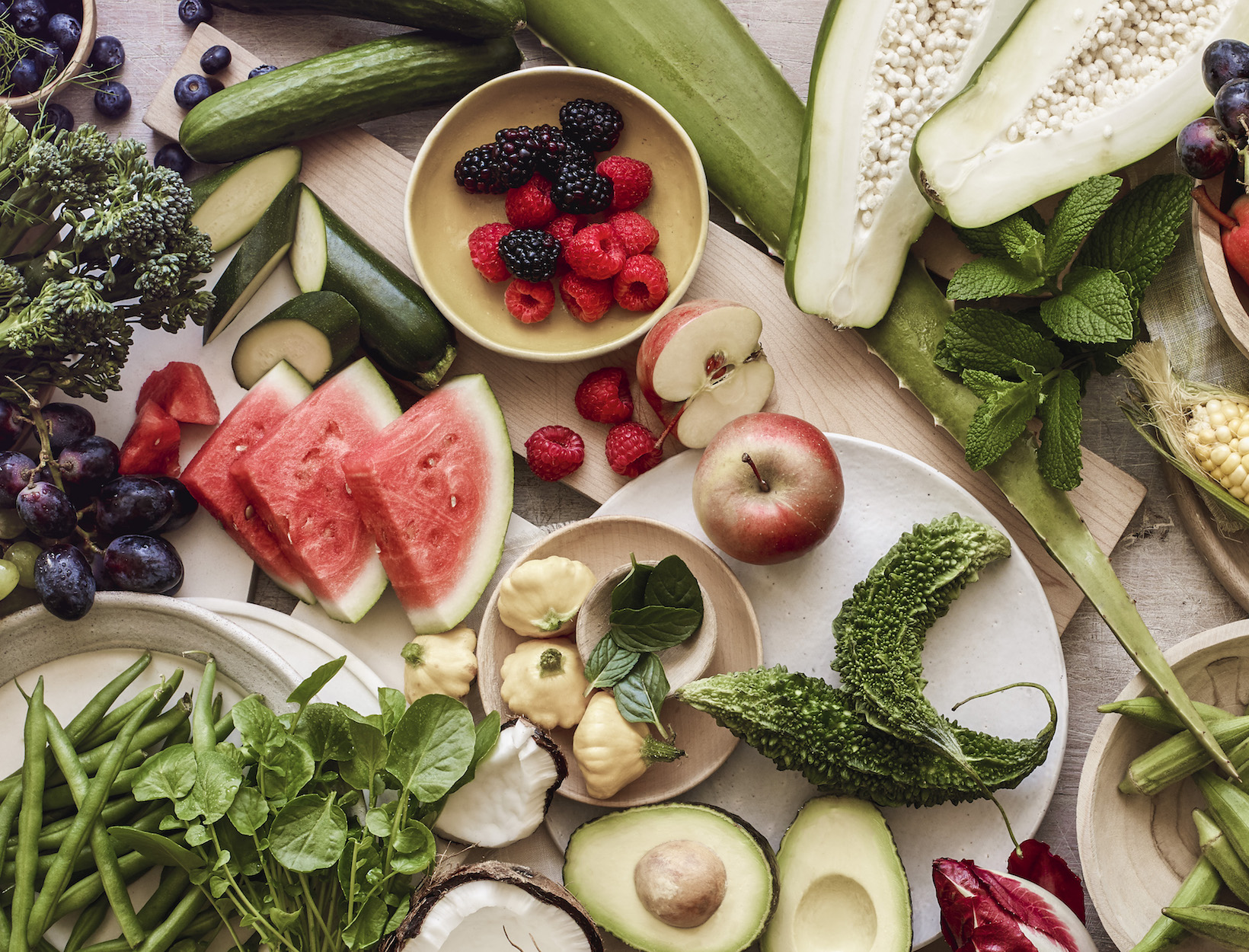
In recent years, there has been a noticeable shift towards plant-based diets among diverse populations around the globe. This trend is fueled by a growing awareness of the health benefits associated with consuming more fruits, vegetables, legumes, and whole grains. As people become more health-conscious, they are turning away from traditional meat-heavy diets in favor of plant-based alternatives. This shift is not just a fleeting fad but a significant lifestyle change for many, driven by a desire to improve personal health, reduce the risk of chronic diseases, and increase longevity. Moreover, the accessibility of plant-based products in grocery stores and restaurants has made this transition easier than ever before, encouraging even those who were once skeptical to give plant-based eating a try.
Environmental Impact
The environmental benefits of plant-based diets are another major factor driving this trend. As concerns about climate change and environmental degradation grow, more individuals are recognizing the impact of their food choices on the planet. The production of plant-based foods generally requires fewer resources, such as land and water, and results in lower greenhouse gas emissions compared to animal agriculture. This realization has prompted many to adopt a plant-based lifestyle as a way to contribute to environmental conservation efforts. By choosing to consume less meat and more plant-based foods, individuals can significantly reduce their carbon footprint and help preserve natural resources for future generations.
Health Benefits
A plant-based diet is often associated with a plethora of health benefits. Studies have shown that individuals who consume a diet rich in plants tend to have lower risks of heart disease, hypertension, diabetes, and certain types of cancer. The high fiber content in plant-based foods aids in digestion and helps maintain a healthy weight, while also promoting a balanced gut microbiome. Additionally, plant-based diets are typically lower in saturated fats and cholesterol, contributing to better heart health. As more research highlights these benefits, healthcare professionals are increasingly recommending plant-based diets to patients looking to improve their overall well-being.
Culinary Innovation
The rise of plant-based diets has also sparked a wave of culinary innovation. Chefs and food companies are experimenting with new ingredients and techniques to create delicious and satisfying plant-based dishes that appeal to a wide range of palates. From plant-based burgers that mimic the taste and texture of meat to dairy-free cheeses and ice creams, the options are expanding rapidly. This creativity in the kitchen has made it easier for people to embrace plant-based eating without feeling deprived. As these innovative products become more mainstream, they continue to attract curious consumers who are eager to explore new flavors and expand their culinary horizons.
Social and Ethical Considerations
For many, the decision to adopt a plant-based diet is also influenced by social and ethical considerations. The awareness of animal welfare issues in the meat and dairy industries has led to increased scrutiny and a desire for more humane food choices. Plant-based diets offer a way to align personal values with eating habits, allowing individuals to make compassionate choices that do not contribute to the suffering of animals. This ethical dimension resonates with a growing number of consumers who are seeking to make more conscious and informed decisions about the food they consume.
Overcoming Challenges
Despite the numerous benefits, transitioning to a plant-based diet can present certain challenges. Some individuals may struggle with finding suitable plant-based options in certain regions or may face social pressure from family and friends who adhere to traditional diets. Additionally, there is often a learning curve involved in understanding nutritional needs and ensuring a balanced intake of essential nutrients such as protein, iron, and vitamin B12. However, with the increasing availability of resources, such as cookbooks, online communities, and nutrition guides, these challenges are becoming easier to navigate. As more people successfully make the switch to plant-based eating, they pave the way for others to follow, contributing to the growing momentum of this dietary trend.