The Art of Tailoring: Perfect Fit for Every Body
Discover the timeless craft of tailoring, ensuring a perfect fit for every body type through bespoke techniques and personalized style.
Understanding Tailoring
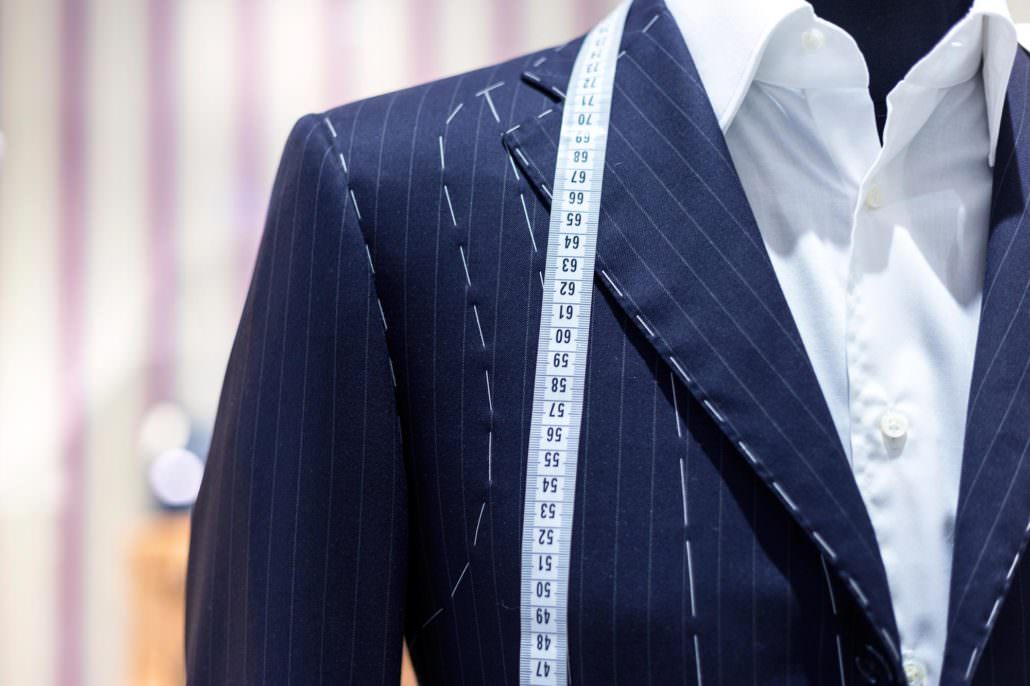
Tailoring is more than just adjusting hems or taking in seams; it's a meticulous craft that transforms garments into personalized works of art. Tailoring involves a keen eye for detail, a deep understanding of fabric behavior, and a commitment to achieving the perfect fit. It requires a blend of technical skill and artistic vision to ensure each piece flatters the wearer's unique body shape. The beauty of tailoring lies in its ability to enhance the natural silhouette, providing comfort and confidence. While off-the-rack clothing caters to standard sizes, tailored garments are crafted with the individual's measurements in mind, offering a bespoke experience that celebrates personal style.
The History of Tailoring
The origins of tailoring trace back to ancient civilizations where clothing was made to measure for royalty and nobility. The practice evolved significantly over centuries, influenced by cultural shifts and technological advancements. The Renaissance period marked a significant turning point, with tailors establishing themselves as skilled artisans. The Industrial Revolution further transformed the landscape, introducing mass production but also cementing the value of bespoke tailoring. Today, tailoring is celebrated as both a practical necessity and a luxury, with artisans continuing to uphold traditions while embracing modern techniques. This rich history underscores the enduring importance of tailoring in fashion.
The Process of Tailoring
The journey of tailoring begins with a consultation between the tailor and the client. This is where the tailor takes precise measurements and discusses the client's preferences, considering factors such as style, fabric choice, and occasion. Fittings are a critical part of the process, allowing the tailor to make necessary adjustments to achieve a flawless fit. Each garment is meticulously crafted, with attention to every detail from stitching to lining. The process requires patience and precision, as even minor alterations can significantly impact the final look. The result is a garment that fits like a second skin, enhancing the wearer's confidence and comfort.
Tailoring for Different Body Types
One of the most significant advantages of tailoring is its ability to accommodate all body types. Unlike standard sizing, which often leaves some individuals feeling excluded, tailoring celebrates diversity by customizing garments to suit unique shapes and sizes. Whether you are tall, petite, curvy, or lean, a skilled tailor can create clothing that flatters your figure. Proportion is key; tailors use their expertise to balance elements like sleeve length, waist placement, and hemline to create a harmonious look. This personalized approach ensures that everyone can enjoy the benefits of a perfect fit.
Choosing the Right Fabric
Fabric selection is a crucial aspect of tailoring, as it influences both the look and feel of the garment. Different fabrics behave differently; for example, wool is ideal for structured pieces like suits, while silk is perfect for fluid, elegant dresses. Breathability, durability, and drape are important considerations when choosing fabric for a tailored piece. Tailors often guide clients in selecting materials that complement their lifestyle and personal style. The right fabric not only enhances the garment's appearance but also contributes to its longevity, making it a worthwhile investment.
The Future of Tailoring
As the fashion industry continues to evolve, tailoring remains a cornerstone of personal style. The rise of sustainable fashion has renewed interest in tailoring, as consumers seek quality over quantity. Tailored garments are seen as timeless pieces that transcend trends, offering a sustainable alternative to fast fashion. Innovations in technology are also impacting tailoring, with advancements like 3D body scanning and digital pattern-making streamlining the process. However, the essence of tailoring—its dedication to craftsmanship and individuality—remains unchanged. As we look to the future, tailoring will continue to adapt, offering personalized solutions for every body.