Sustainable Fashion: Building a Greener Wardrobe
Explore sustainable fashion trends and tips to build an eco-friendly wardrobe that prioritizes style and environmental responsibility.
The Rise of Sustainable Fashion
In recent years, the fashion industry has experienced a significant shift towards sustainable practices. This movement aims to reduce the environmental impact of clothing production and consumption. Fast fashion, characterized by its rapid production cycles and disposable nature, has contributed to pollution and waste. In contrast, sustainable fashion emphasizes eco-friendly materials, ethical labor practices, and longevity. Brands are increasingly adopting organic cotton, recycled fibers, and biodegradable fabrics. By prioritizing these materials, they minimize harm to the planet and promote a circular economy. Consumers are also becoming more conscious of their purchasing choices, seeking brands that align with their values. This change reflects a broader awareness of environmental issues and a desire to contribute to positive change.
Eco-Friendly Materials in Fashion
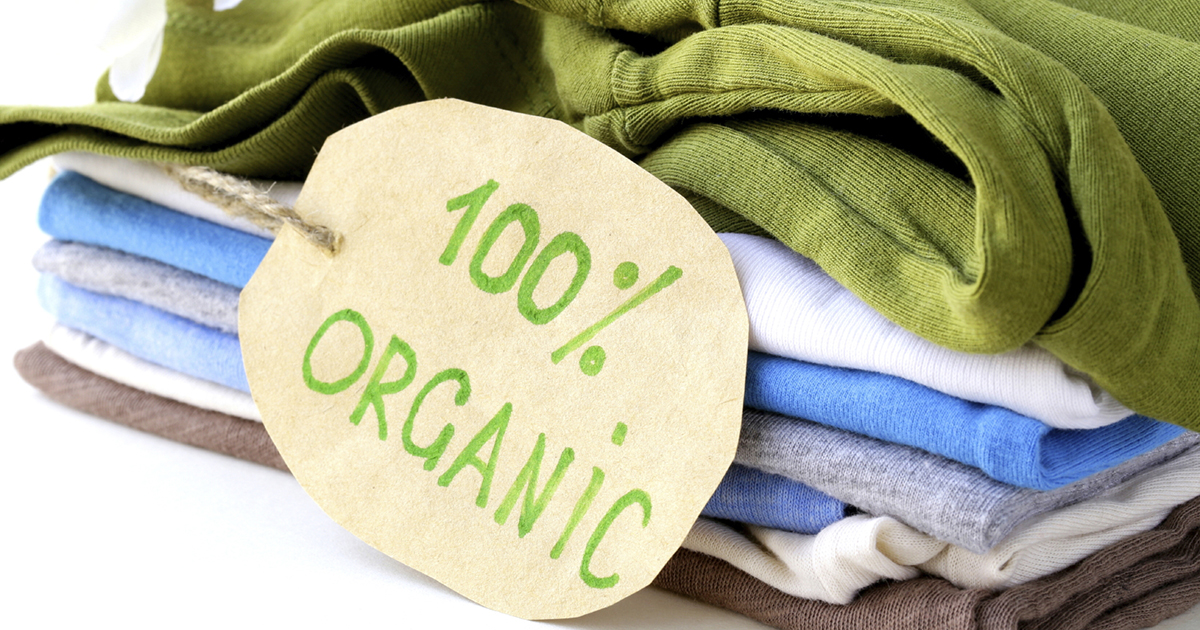
A cornerstone of sustainable fashion is the use of eco-friendly materials. Traditional textiles like cotton and polyester have significant environmental footprints, from water consumption to chemical use. Alternatives such as organic cotton, hemp, and Tencel offer a greener choice. Organic cotton is grown without harmful pesticides, reducing soil and water contamination. Hemp, known for its durability and low water requirements, is an excellent option for sustainable clothing. Tencel, made from wood pulp, is biodegradable and produced through a closed-loop process, minimizing waste. These materials not only reduce the environmental impact but also offer unique textures and qualities, providing consumers with stylish and sustainable options. As innovation continues, new materials like lab-grown leather and bio-fabricated textiles promise to further revolutionize the industry.
The Importance of Ethical Labor Practices
Beyond materials, sustainable fashion also encompasses ethical labor practices. The fashion industry has long been criticized for exploitative labor conditions, with workers often facing low wages and unsafe environments. Sustainable brands prioritize fair wages, safe working conditions, and transparency in their supply chains. This commitment ensures that the people behind the products are treated with dignity and respect. Consumers are increasingly demanding transparency, prompting brands to disclose their manufacturing processes and labor practices. Certifications like Fair Trade and B Corp provide assurance that a brand adheres to ethical standards. By supporting companies that prioritize ethical labor, consumers can help drive industry-wide change, ensuring that fashion is not only sustainable but also equitable.
Embracing Slow Fashion
Slow fashion is a movement that advocates for mindful consumption and quality over quantity. It encourages consumers to invest in timeless, well-made pieces that stand the test of time, rather than succumbing to fleeting trends. By choosing quality garments, individuals can reduce the frequency of purchases and the subsequent waste generated by discarded clothing. Slow fashion also emphasizes the importance of caring for garments, promoting practices like repairing and repurposing. This approach not only extends the life of clothing but also fosters a deeper connection between the wearer and their wardrobe. As slow fashion gains traction, it challenges the fast fashion model and encourages a more sustainable relationship with clothing.
The Role of Consumer Awareness
Consumer awareness plays a crucial role in the shift towards sustainable fashion. As individuals become more informed about the environmental and social impacts of their clothing choices, they can make more responsible decisions. This awareness is often fueled by documentaries, social media, and educational campaigns that highlight the hidden costs of fast fashion. By understanding the full lifecycle of a garment, from production to disposal, consumers can opt for more sustainable options. Engaging with brands that prioritize transparency and sustainability empowers consumers to support positive change. This growing awareness not only influences purchasing behavior but also pressures brands to adopt more sustainable practices, creating a ripple effect throughout the industry.
Innovative Recycling and Upcycling Practices
Recycling and upcycling are innovative practices that contribute to a more sustainable fashion industry. Recycling involves breaking down old garments to create new materials, while upcycling transforms existing items into new, higher-value products. These processes help reduce waste and conserve resources by extending the life of textiles. Brands are increasingly adopting these practices, creating unique collections from post-consumer waste and surplus materials. For consumers, upcycling offers a creative outlet to personalize and refresh their wardrobes without contributing to overconsumption. By supporting brands that prioritize recycling and upcycling, individuals can play a part in reducing the environmental footprint of the fashion industry.
Building a Greener Wardrobe
Building a greener wardrobe involves making intentional choices that prioritize sustainability. Start by assessing your current wardrobe and identifying items that can be repaired or repurposed. When shopping, opt for quality over quantity, choosing pieces that are versatile and durable. Look for brands that are transparent about their sustainability efforts and prioritize eco-friendly materials and ethical practices. Consider second-hand shopping as a way to reduce waste and discover unique items. By embracing these habits, you can reduce your environmental impact and contribute to a more sustainable fashion industry. Remember, every small change counts towards building a greener future for fashion.