Mastering the Art of Layering: Tips for Every Season
Discover essential layering techniques to stay stylish and comfortable throughout every season with these expert tips.
Understanding the Basics of Layering
Layering is an essential fashion technique that involves wearing multiple garments in a way that combines style, comfort, and practicality. The concept is not only about adding clothes on top of each other but also about creating a cohesive look that suits the weather and occasion. The first step to mastering layering is understanding the purpose of each layer. Generally, layers are divided into three categories: the base layer, the middle layer, and the outer layer. The base layer is closest to your skin and should be made of materials that wick moisture away, keeping you dry and comfortable. The middle layer provides insulation, and the outer layer protects you from the elements. Each layer should complement the others, both in function and aesthetics, to ensure a harmonious and effective ensemble.
Choosing the Right Fabrics
Selecting the appropriate fabrics is crucial when layering clothing. Different seasons demand different materials, so understanding the properties of fabrics can enhance your layering strategy. In colder months, wool and cashmere are excellent choices for their warmth and breathability. For the base layer, consider materials like merino wool or synthetic fibers that wick moisture away from the body. During warmer seasons, opt for lightweight fabrics such as cotton or linen that allow your skin to breathe. Fabrics like silk can be versatile, providing warmth in winter and cooling in summer. Pay attention to the texture and thickness of each fabric to ensure they layer well together without creating bulk or discomfort.
Balancing Functionality and Style
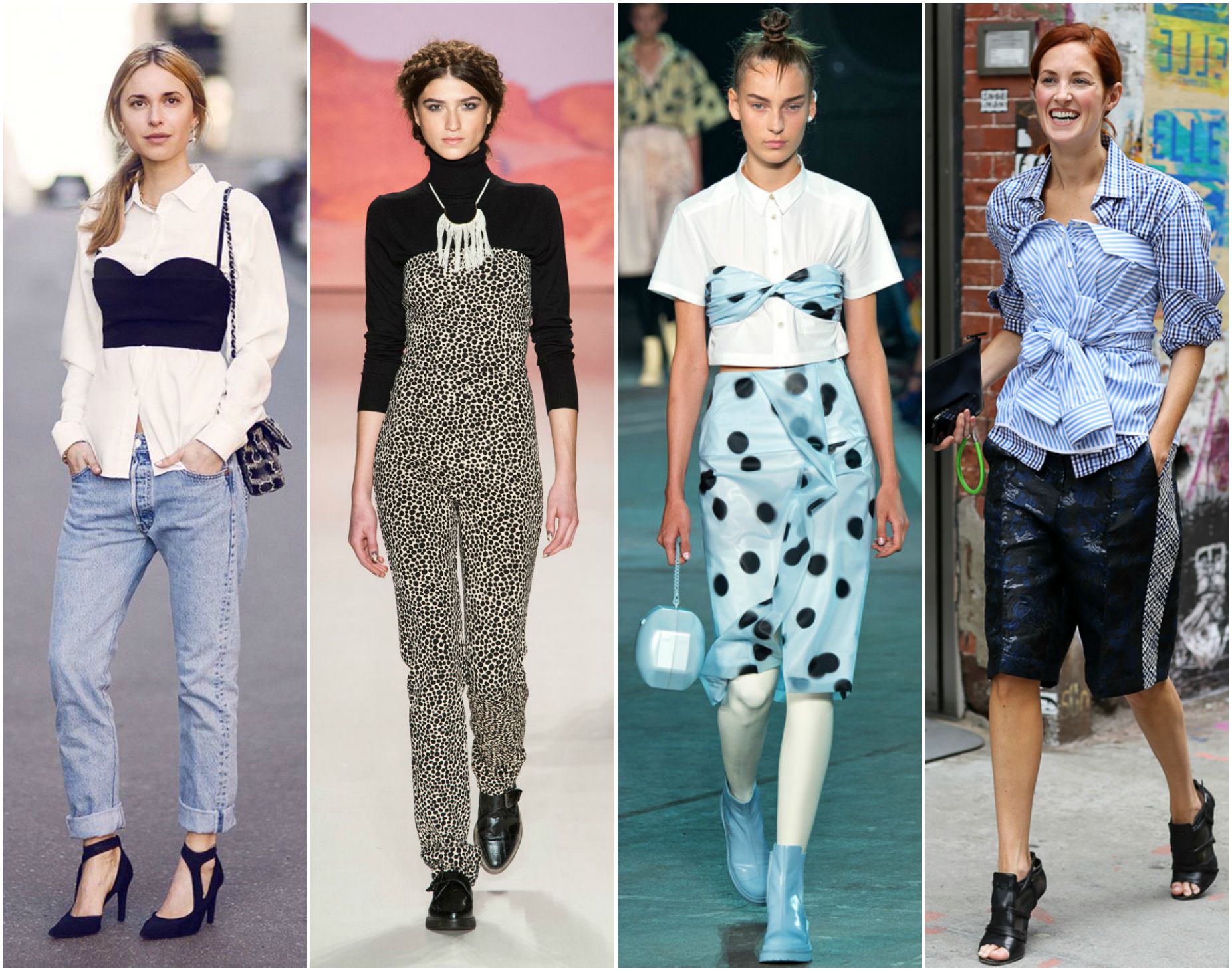
Layering is not just about piling on clothes; it's about achieving a balance between functionality and style. To do this effectively, consider the overall silhouette and color scheme of your outfit. Use layering to add dimension and interest to your look by mixing different textures and patterns. For instance, pairing a chunky knit sweater with a sleek leather jacket can create a visually appealing contrast. Additionally, use accessories like scarves and hats to add layers without overwhelming your outfit. Remember that layering should enhance your personal style while providing the necessary protection against the elements. Experiment with different combinations to find what works best for your unique fashion sense.
Layering for Transitional Seasons
Transitional seasons, such as spring and fall, can be tricky for layering because of fluctuating temperatures. The key is to use versatile pieces that can be easily added or removed. Lightweight cardigans, vests, and trench coats are ideal for these seasons as they provide warmth without being too heavy. You can start with a basic t-shirt or blouse as a base layer, then add a light sweater or jacket. Consider incorporating layers that can be tied around the waist or shoulders when not in use. This not only keeps you comfortable as the temperature changes throughout the day but also adds a stylish element to your outfit.
Layering Techniques for Cold Weather
In cold weather, layering becomes a necessity to stay warm. The trick is to focus on insulation and protection. Start with a thermal or moisture-wicking base layer to keep sweat away from your skin. Add a thick, insulating middle layer, such as a fleece or wool sweater, to trap heat. The outer layer should be windproof and waterproof to shield you from harsh weather conditions. Pay attention to areas that lose heat quickly, like your head, hands, and feet, by adding hats, gloves, and thick socks. Don't forget to consider the length of your outerwear; longer coats provide more coverage and warmth.
Smart Layering for Warm Weather
Even in warm weather, layering can be beneficial. It's all about keeping cool while looking stylish. Opt for lightweight, breathable fabrics like cotton or linen for your base layer. Loose-fitting shirts or blouses can be layered with a light vest or a sheer kimono for added style without overheating. Use layering to add pops of color or interesting patterns to your outfit. Accessories such as lightweight scarves or hats can also serve as layers that enhance your look while providing some sun protection. Remember, the goal is to stay comfortable and stylish, so choose pieces that allow for air circulation and freedom of movement.