A Beginner's Guide to Online Shopping Safety
Discover essential tips and strategies to ensure your online shopping experience is secure and worry-free.
Understanding the Importance of Online Shopping Safety
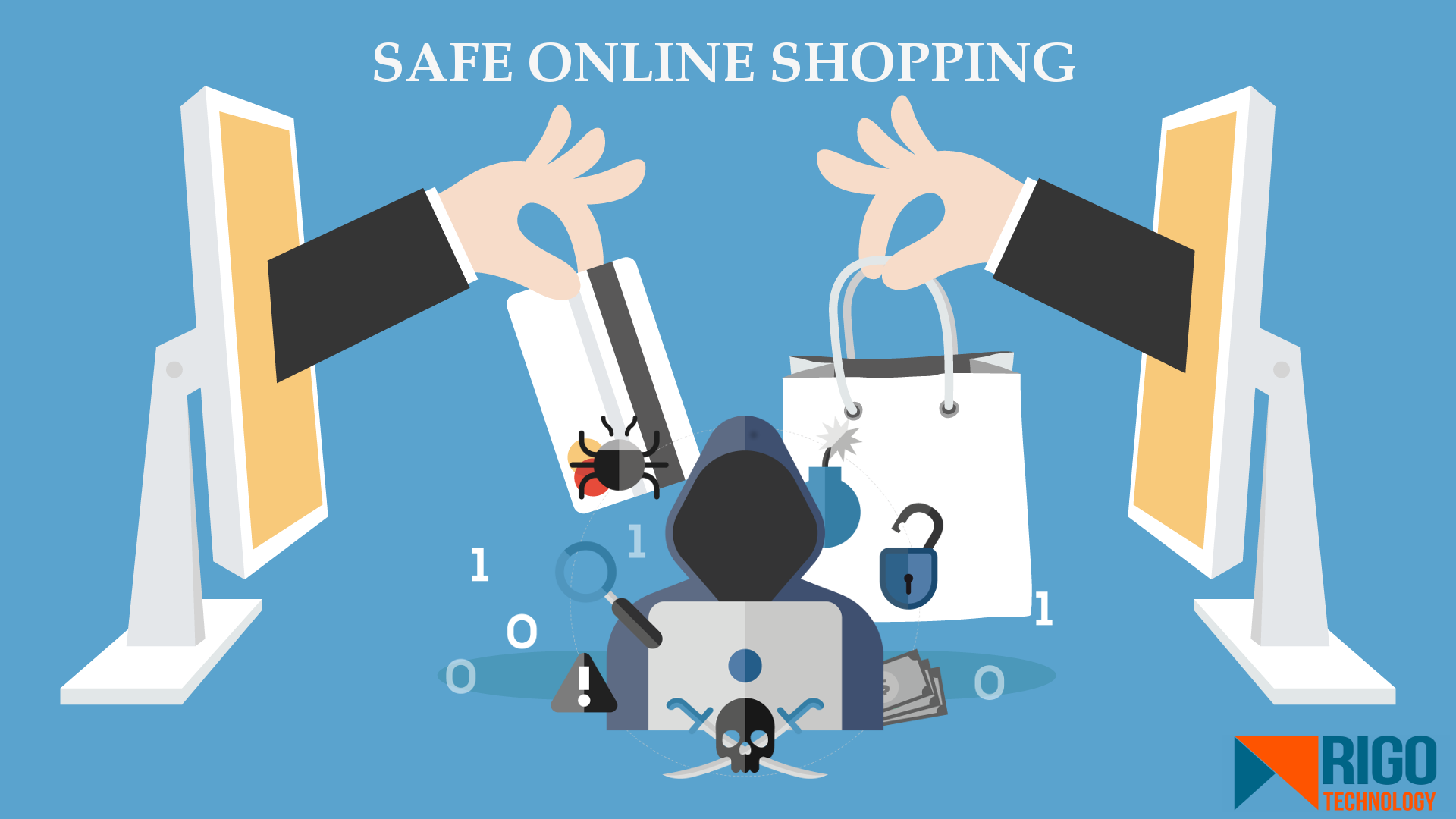
In the digital age, online shopping has become a convenient way for consumers to purchase goods and services. However, with this convenience comes the risk of cyber threats. As a beginner, it's crucial to understand that online shopping safety is not just about protecting your financial information but also safeguarding your personal data. Cybercriminals are constantly evolving their tactics to exploit vulnerabilities, making it essential for shoppers to stay informed and vigilant. By adopting safe online practices, you can significantly reduce the risk of falling victim to scams or identity theft. This guide will provide you with practical tips and insights to help you shop online with confidence, ensuring that your personal and financial information remains secure.
Choosing Secure Websites
When shopping online, always ensure that you are using secure websites. A secure website typically has a URL that begins with "https://" rather than "http://", with the 's' standing for secure. Additionally, look for a padlock icon next to the URL in your browser, which indicates that the site is using a secure connection. These features help protect your data from being intercepted by malicious actors. It's also wise to shop from well-known and reputable retailers, as they are more likely to invest in robust security measures. Be wary of deals that seem too good to be true on lesser-known sites, as they could be scams designed to collect your information. Taking these precautions can help ensure that your online shopping experience is safe and secure.
Creating Strong Passwords
One of the simplest yet most effective ways to protect your online accounts is by creating strong passwords. A strong password is typically a mix of uppercase and lowercase letters, numbers, and special characters, making it difficult for hackers to guess. Avoid using easily accessible information like birthdays or common words. Instead, consider using a passphrase or a password manager to generate and store complex passwords. Regularly updating your passwords and using different passwords for different accounts can further enhance your security. Remember, your password is the key to your personal information, so take the time to create one that is both strong and unique.
Recognizing Phishing Scams
Phishing scams are a common method used by cybercriminals to trick individuals into revealing personal information. These scams often come in the form of emails or messages that appear to be from legitimate companies, asking you to verify your account information or click on a link. It's important to be skeptical of unsolicited communications and verify the source before responding. Look for signs of phishing, such as generic greetings, spelling errors, or requests for sensitive information. If in doubt, contact the company directly using contact information from their official website. By learning to recognize phishing scams, you can protect yourself from falling victim to these deceitful tactics.
Using Secure Payment Methods
When it comes to online shopping, using secure payment methods is crucial. Credit cards are generally considered safer than debit cards for online transactions because they offer better fraud protection. Many credit card companies provide additional security features like virtual card numbers for online purchases. Alternatively, consider using digital wallets or payment services that offer an extra layer of security by not sharing your card details with merchants. Always review your bank and credit card statements regularly to spot any unauthorized transactions early. By choosing secure payment methods, you can protect your financial information and enjoy a safer shopping experience.
Staying Updated on Security Practices
Cybersecurity is an ever-evolving field, and staying updated on the latest security practices is key to protecting yourself while shopping online. Follow trusted sources for cybersecurity news and updates, and consider subscribing to alerts from your financial institutions regarding new security features or potential threats. Regularly update your devices and software to ensure you have the latest security patches. Educate yourself on emerging threats and how to mitigate them. By staying informed and proactive, you can navigate the online shopping world with greater assurance, knowing that you are doing your part to protect your personal and financial information.